Exploring Electrical Services: What Your Contractor Can Offer You
Grasping the scope of electrical services is crucial for property owners. A licensed electrical contractor plays a pivotal role in strengthening overall safety and operational efficiency. They offer numerous services, from new installations to ongoing maintenance and system upgrades. Identifying the right contractor demands considering several key factors. Homeowners tend to underestimate the importance of adhering to safety regulations. As the topic develops, important findings will become apparent about optimizing electrical systems and ensuring peace of mind. How should homeowners determine their most pressing electrical priorities?
What Types of Electrical Services Do Contractors Provide?
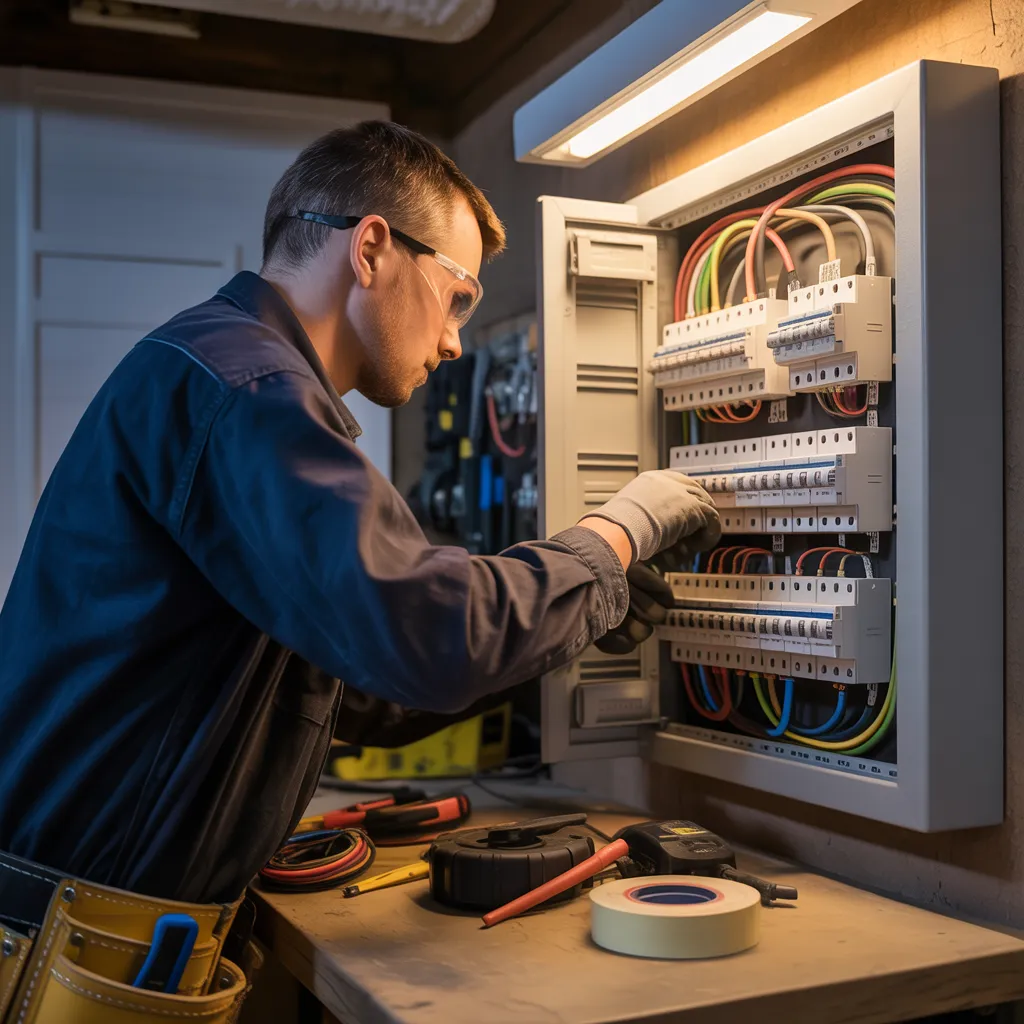
Electrical professionals provide a comprehensive selection of services tailored to meet diverse home, business, and industrial requirements. They oversee installation work, encompassing lighting systems, outlets, and circuit breakers. Moreover, they deliver maintenance support to confirm electrical systems run smoothly and safely. Diagnostics and repairs represent another essential component of their services, addressing issues like faulty wiring or malfunctioning appliances.
In addition, electrical contractors are experienced in upgrading existing electrical systems to support present-day requirements, including sustainable solutions and advanced home automation. They are also able to help with compliance with local electrical codes, confirming that installations satisfy established safety guidelines. For commercial clients, services often encompass more expansive undertakings, such as wiring for office buildings and industrial facilities. In summary, electrical contractors serve a critical function in making sure that electrical systems stay current, dependable, and secure, catering to the specific requirements of each client.
Essential Factors for Selecting an Electrical Contractor?
When hiring an electrical contractor, two critical factors come into play: experience and qualifications, along with licensing and insurance requirements. A contractor's expertise often reflects their practical advice ability to handle various electrical tasks safely and effectively. Verifying appropriate licensing and insurance coverage not only shields the homeowner from liability but also confirms the contractor's authenticity and commitment to professionalism.
Professional Experience and Credentials
Selecting an electrical contractor involves careful evaluation of their qualifications and experience, which are essential measures of competence and dependability. A contractor with extensive experience is likely familiar with a broad range of electrical issues and configurations, allowing for more streamlined problem-solving. Additionally, examining a contractor's qualifications, such as their certifications and training, can shed light on their knowledge of current industry technologies and standards. Skilled contractors are also better equipped to identify potential issues and provide effective remedies, ensuring a more efficient project delivery. Ultimately, selecting a contractor who exhibits both experience and relevant qualifications can greatly impact the safety and quality of electrical work, fostering trust and confidence in the services provided.
Licensing and Insurance Prerequisites
Licensing and insurance considerations hold a significant place in the selection of an electrical contractor, as they confirm conformity with regional requirements and protect both parties involved. Electrical professionals are required to hold the proper licenses, which reflect their technical proficiency and knowledge of safety protocols. This not only assures quality workmanship but also helps avoid potential legal issues. Furthermore, sufficient insurance shields clients from financial exposure resulting from accidents or damages throughout the project. Customers should validate a contractor's credentials by reviewing their licensing and insurance records. By focusing on licensed and insured contractors, clients gain greater confidence in their decision, ensuring that all electrical work is completed safely and efficiently.
What to Expect During Electrical Installation
Throughout an electrical installation, a comprehensive pre-installation assessment is necessary to confirm all specifications are satisfied. This procedure helps identify potential challenges and supports thorough planning. Moreover, stringent safety guidelines are followed to protect both the workers and the property during the installation process.
Pre-Installation Inspection Process
A detailed pre-installation evaluation is critical for a successful electrical installation. This procedure typically begins with a thorough site inspection where the contractor evaluates the existing electrical infrastructure and pinpoints any potential challenges. During this step, contractors also gather information about the specific electrical requirements of the client, ensuring that the suggested system aligns with their expectations. Additionally, load calculations are performed to determine the suitable capacity and setup of the electrical system. The contractor may also assess local codes and regulations to ensure compliance. This comprehensive assessment not only assists in planning the installation but also helps to prevent unforeseen problems, resulting in a smoother completion of the electrical project.
Safety Measures In Effect
Applying stringent safety protocols is fundamental to any electrical installation. Professional contractors emphasize building a safe worksite by complying with strict regulations. This involves performing a detailed risk evaluation prior to starting the project, ensuring all team members are equipped with appropriate personal protective equipment (PPE). Throughout the installation process, the contractor implements lockout/tagout protocols to avoid unintended energization of circuits. Scheduled safety discussions are carried out to maintain crew awareness of existing risks. Furthermore, the job site is regularly inspected for adherence to local electrical codes and regulations, confirming that all work meets established safety requirements. By implementing these procedures, contractors substantially lower the chances of accidents, creating a safer outcome for both crew members and property owners.
Top 5 Common Electrical Repairs and Their Solutions
When homeowners encounter electrical issues, being aware of the most typical repairs can expedite the troubleshooting process. A common problem involves defective outlets, typically addressed by swapping out the outlet or verifying correct wiring connections. Another typical repair concerns circuit breakers that repeatedly trip, which may necessitate checking for overloaded circuits or faulty wiring. Flashing lights may signal loose connections or aging fixtures, requiring replacement or comprehensive examination. Furthermore, electrical surges can harm household devices, prompting the installation of surge protectors to safeguard devices. Additionally, non-functioning switches commonly suggest faulty wiring or a requirement for switch replacement, confirming that electrical circuits perform reliably. Understanding these concerns permits residents to collaborate productively with licensed electricians, enabling quicker and more precise repairs. Each of these common repairs highlights the importance of addressing electrical problems promptly to maintain safety and functionality within the home.
The Importance of Regular Electrical Services Maintenance
Routine electrical services upkeep is vital for guaranteeing both reliability and safety in a home's electrical system. As time passes, wear and tear can cause issues such as overloaded circuits, faulty wiring, or outdated components, heightening the danger of electrical fires and equipment failure. Planned inspections by trained experts can uncover potential concerns before they worsen, allowing for timely replacements or repairs.
In addition, regular maintenance helps to optimize energy efficiency, thereby reducing utility bills and extending the longevity of appliances. It also guarantees compliance with local building codes and safety regulations, protecting homeowners from legal liabilities. Failing to prioritize maintenance can cause unexpected breakdowns, resulting in considerable inconvenience and high repair costs. By prioritizing regular electrical services, homeowners can secure their property, strengthen the reliability of their electrical systems, and gain peace of mind knowing their electrical infrastructure remains in excellent condition.
Benefits and Options for Upgrading Your Electrical Systems
Overhauling electrical systems offers several improvements that can significantly enhance a residence's functionality and safety. Improved efficiency is one of the main benefits, as contemporary systems employ cutting-edge technology to decrease power consumption and lower utility bills. Superior protective features, such as surge protectors and circuit breakers, significantly decrease the threat of fire hazards and equipment deterioration.
Homeowners are also provided with increased power capacity, supporting the rising number of electronic devices and appliances in today's households. This enhancement permits the installation of additional outlets and dedicated circuits for major appliances, lowering the likelihood of straining existing electrical wiring.
In addition, visual enhancements can be accomplished through modernized lighting fixtures and smart home systems, providing customized ambiance and convenience. With a range of options available, including full rewiring or partial upgrades, property owners can tailor their electrical modifications to meet specific needs and budgets, thereby increasing the property's overall value.
How to Guarantee Compliance With Electrical Safety Requirements
Maintaining conformity with electrical safety regulations is fundamental for both homeowners and contractors. To ensure this, it is crucial to stay informed about local codes and standards, which can vary considerably. Contractors should participate in routine training and credentialing courses to remain aware of the newest requirements.
Performing comprehensive evaluations prior to and following electrical work may assist in detecting potential hazards. Utilizing qualified professionals who possess the necessary licenses guarantees that the work adheres to established safety standards. Additionally, maintaining accurate documentation of all electrical work performed provides a clear record for future reference.
Consistently revising and evaluating safety protocols can significantly strengthen compliance, especially when new regulations are introduced. In addition, collaborating with local authorities or electrical inspection services can supply useful information and support, ensuring that all work complies with established standards. By focusing on these measures, both homeowners and contractors can help create a more secure electrical setting.
Frequently Asked Questions
How Do I Determine if My Electrical System Is Due for an Upgrade?
Indicators that an electrical system requires an upgrade include regularly tripping circuit breakers, intermittent flickering of lights, outdated wiring, insufficient electrical outlets, or the incapacity to power today's electrical appliances. Reaching out to a professional electrician can provide a professional assessment and recommendations.
What Qualifications Should I Consider When Choosing an Electrical Contractor?
When choosing an electrical contractor, one should prioritize qualifications such as valid licensing, adequate insurance, hands-on experience, and favorable customer feedback. Credentials in safety standards and regular training also reflect a commitment to quality and professionalism.
Is It Safe to Handle My Own Electrical Repairs?
Conducting one's own electrical fixes can be dangerous without the right training and expertise. Proper safety guidelines must be observed, and missteps can cause dangerous situations. Contacting a licensed electrical professional is typically the most prudent choice.
How Much Time Does an Electrical Installation Usually Take?
An electrical installation typically takes anywhere from a few hours to several days, depending on the complexity of the project. Factors such as the size of the property and the specific requirements influence the overall duration considerably.
What Are the Indicators of Defective Electrical Wiring?
Signs of problematic wiring issues include frequent circuit breaker trips, flickering lights, discolored outlets, the smell of burning, or switches that feel warm. These signs frequently suggest deeper problems that call for immediate attention from a professional to ensure your safety.